Review: Faith Is to Believe What You Do Not Yet
As an experienced embroidery designer and product reviewer, I often find myself evaluating digital embroidery files not just for their visual appeal but for how they perform in real-world applications. The design “Faith Is to Believe What You Do Not Yet” caught my attention as a potentially meaningful addition to both personal and commercial embroidery projects. In this review, I’ll walk through what it looks like, how it behaves under different conditions, and where it truly shines—or might need some caution.
First Impressions and Visual Personality
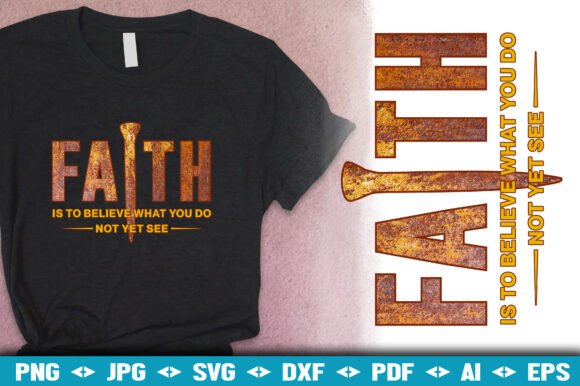
The first thing that stands out about Faith Is to Believe What You Do Not Yet is its bold message paired with a clean, modern layout. The text is centered and balanced, making it feel intentional rather than cluttered. It has a soft yet confident presence—ideal for designs that aim to inspire or uplift. The font choice suggests something hand-drawn or stylized, which gives it a touch of warmth without sacrificing readability.
This design doesn’t scream for attention, but it does hold its ground. The white space around the text is generous, allowing the phrase to breathe on any surface it’s applied to. As someone who frequently works with embroidered graphics for handmade products, I appreciate how this file feels like it was designed with placement and proportion in mind. Whether you’re looking for a statement piece or something subtle, this one adapts well.
Real-Life Use Case: Embroidered Tote Bags for a Craft Business
To test the design in action, I tried it out on a custom tote bag project. These are always a popular item for boutique shops and Etsy sellers, especially when they carry motivational or spiritual messages. The result? A very wearable and appealing design. The text stitched clearly with good coverage, even on a medium-weight cotton canvas. The layout made it easy to center over the shoulder strap area, which is a common spot for tote bag branding.
I found that the design worked particularly well when using satin stitch along the outer edges of the letters. This gave it a polished finish while keeping the interior simple enough to avoid overwhelming the fabric. For those considering it for custom apparel or sweatshirts, the same principle applies—keep the stitch type consistent unless the design specifically includes decorative elements that require more detail.
Customer Reactions and Giftability
When I showed the finished tote bag to a few fellow crafters and small shop owners, the feedback was positive. Many noted how the phrase felt encouraging and appropriate for a wide audience. That kind of reaction is crucial if you're planning to use the design in holiday gifts or personalized items. It's versatile enough to be gender-neutral and age-friendly, making it a solid choice for small shop product lines or personalized gifts.
What also stood out was the emotional weight of the design. People didn’t just see words—they felt them. That kind of connection can elevate your handmade product from a nice accessory to a meaningful keepsake, especially when sold as part of a curated gift collection.
Performance Across Different Embroidery Projects
Faith Is to Believe What You Do Not Yet performed admirably across several types of embroidery projects, though it did show some limitations depending on the medium and method used. Here’s how it fared in various scenarios:
- T-Shirt Designs: The design looked great on cotton tees. Stitch clarity was high, and the text didn’t distort during the stitching process.
- Sweatshirt Embroidery: On thicker sweatshirts, I had to adjust the stabilizer type to prevent puckering, but once set up correctly, the results were satisfying.
- Baby Embroidery: I tested it on a onesie and found the message to be uplifting without being too heavy-handed. Parents loved the idea of gifting it as a nursery decor companion or baby shower present.
- Patches and Caps: The design adapted well to curved surfaces like caps, though I recommend reducing the stitch density slightly to avoid distortion. When made into an embroidered patch, it maintained its shape and legibility.
- Kitchen Towels and Aprons: The flatness of these materials allowed for excellent stitch coverage. The design added a stylish yet thoughtful touch to everyday-use items.
- Digital Product Previews: Using the digital embroidery file in printable mockups, I could see how it would look on a variety of garments. It’s a strong candidate for design assets that help buyers visualize the final product before purchasing.
Where Caution Is Advised
While this design is impressive overall, there are a few situations where it might not be ideal. First, consider the hoop size. If your design requires a smaller hoop, you may need to scale it down carefully. Scaling can affect stitch spacing and lettering clarity, so it’s important to preview the outcome before committing to production.
Also, if you're working with textured fabrics or thin, stretchy material, you’ll want to test the design thoroughly. High stitch density areas might pull or pucker if not stabilized properly. Darker fabrics could also pose a visibility challenge unless you choose thread colors with enough contrast.
For commercial embroidery purposes, keep in mind that frequent washing can cause some thread colors to fade or loosen over time. Always advise customers on proper care instructions if the design will be used on items like gym wear or reusable bags.
Design Notes for Embroidery Artists
If you're an embroidery designer or Etsy seller, here are a few practical tips based on my testing with Faith Is to Believe What You Do Not Yet:
- Test on scrap fabric first: Especially if you're using a new machine or unfamiliar thread colors.
- Check thread color contrast: Make sure the text stands out against the chosen background. Black or navy threads work best on light-colored bases.
- Review stitch density: Adjust fill stitches if you notice tightness or puckering after the first run.
- Confirm hoop size: If you're scaling the design, ensure it still fits within your hoop without stretching or overlapping.
- Inspect small details: Look at corners and inner curves closely to see how they translate into actual embroidery.
- Use proper stabilizer: Heavier backings help maintain shape and reduce distortion on stretchy or delicate fabrics.
- Test black and white mockups: This helps determine whether the design needs additional outlines or highlights to remain visible.
- Compare light and dark backgrounds: You might be surprised by how much the same design changes visually based on fabric color.
- Confirm licensing before selling: Always verify whether you can use the design in commercial embroidery or as a digital product for resale.
Stitch Clarity and Brand Consistency
One of the key factors I consider when evaluating a design for a craft business is how well it maintains its identity after stitching. Faith Is to Believe What You Do Not Yet holds up quite well in this regard. The lines are crisp, and the negative space between letters remains intact, preserving the intended message and style.
For brand consistency, this design offers a professional look that aligns well with handmade and personalized aesthetics. It’s suitable for small shop merchandise or as part of a larger collection of embroidery graphics that share a similar tone and visual language.
Final Thoughts and Buyer Engagement
In summary, Faith Is to Believe What You Do Not Yet is a design that brings both aesthetic value and emotional resonance to your projects. Its adaptability makes it a good fit for a range of embroidery file uses—from personalized gifts to apparel decorators looking to add depth to their collections.
However, as with any machine embroidery design, success depends on thoughtful preparation. Be sure to account for fabric type, thread selection, and stitch behavior. And if you're planning to sell the finished product or offer it as a printable mockup, always double-check licensing terms to protect your creative business.
Ultimately, this design enhances the visual appeal of your offerings while maintaining a level of professionalism that speaks to both hobbyists and creative entrepreneurs. Used wisely, it can become a signature element in your handmade shop or a standout feature in your next T-shirt design line.